AI Personalization: How Small Brands Deliver Amazon-Level Experiences
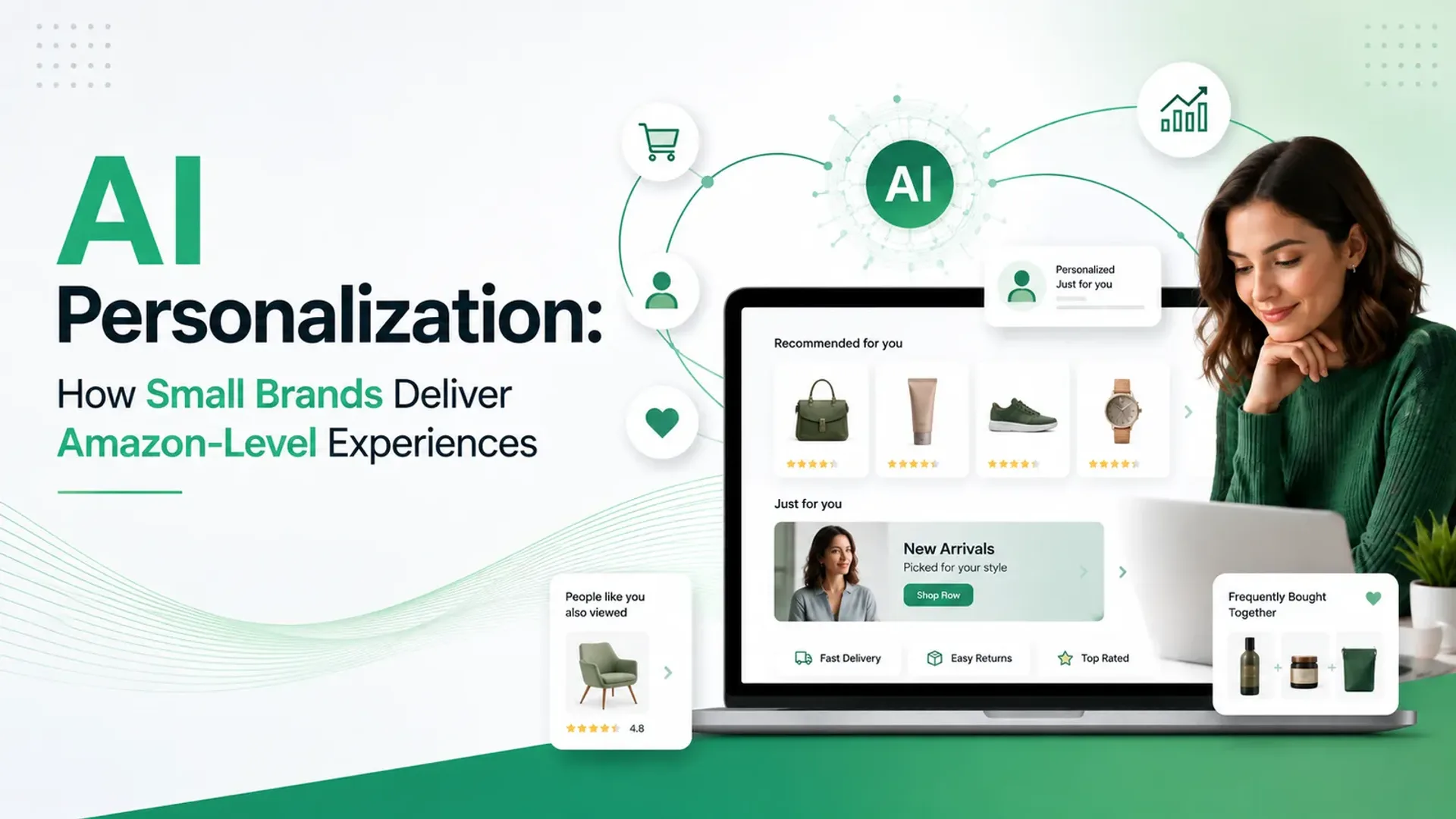
For years, real personalisation was a luxury only giants could afford. Amazon's eerily accurate 'recommended for you'. Netflix's tailored home screen that somehow always has something you want. All of it powered by armies of engineers and mountains of data that a normal business could never dream of matching. In 2026, AI has quietly demolished that barrier. A small brand can now tailor content, offers, and journeys to each individual visitor — without a data science team or an enterprise budget.
This matters because relevance is the single biggest lever in marketing that most small businesses never pull. A generic message competes with everything screaming for attention; a relevant one feels like it was made for that exact person. And feeling understood is what turns a browser into a buyer.
What personalisation actually means now
It is far more than dropping '[First Name]' into an email subject line. Real personalisation means showing returning visitors different content than first-timers, recommending the right product based on what someone has actually looked at, timing an offer to where a person is in their journey, and adapting your site and messaging to what a visitor seems to want. Done well, it stops feeling like marketing and starts feeling like a business that genuinely gets you.
Why it works so well
Because relevance converts, and irrelevance is ignored. Every study on the subject points the same way: personalised experiences consistently lift engagement, conversion, and loyalty. The reason is simple human psychology — people respond to things that feel made for them and tune out things that feel mass-produced. In a world of infinite generic messages, the relevant one wins by default.
It is the same underlying principle behind why owned, direct channels outperform broad ones — the closer you get to speaking to one person about their specific need, the better it works, a thread that runs through everything from email to the way modern websites turn visitors into leads.
How AI made it accessible
The tools you already use are quietly gaining AI personalisation features — email platforms that adapt content per subscriber, website tools that show different messages to different segments, recommendation engines you can switch on without writing code. What used to require a team of engineers now often requires ticking a box and feeding it clean data. The capability has been democratised; most small businesses simply have not noticed yet.
How a small brand should start
Do not try to boil the ocean or buy a sprawling 'personalisation platform' you will never fully use. Start with one high-impact moment: a personalised email sequence based on what someone bought, product recommendations on your key pages, or a tailored message for returning visitors. Use the AI features already inside your existing email and site tools before adding anything new. Prove the lift on one thing, then expand — one well-chosen personalised touch beats a complex system nobody maintains.
The line you should not cross
Personalisation is helpful when it is transparent and restrained, and creepy when it is opaque or overreaching. Use what people willingly share, keep it genuinely useful rather than surveillance-y, and always respect privacy and consent. Get that balance right and customers appreciate the relevance; get it wrong and you erode the very trust you were trying to build.
Frequently Asked Questions
Do I need a big data team to personalise?
Not anymore. AI features built into modern email, CRM, and website tools handle much of it automatically. You need the right strategy and reasonably clean data, not a team of engineers.
Isn't personalisation creepy?
It's creepy when it's opaque or overreaching. Keep it helpful and transparent — relevant recommendations and timely, useful messages based on what people willingly share — and respect consent. Done right, customers appreciate it.
Where should a small brand start with personalisation?
One high-impact moment: a behaviour-based email sequence or product recommendations on your key pages. Prove the lift there, then expand rather than buying a big platform upfront.
What data do I need to personalise effectively?
Less than you'd think — purchase history, pages viewed, and basic segments are enough to start. Clean, well-organised data on a few signals beats a mountain of messy data you can't use.
Personalisation only works on a site that already converts the basics. Check yours with a free website audit before you layer anything clever on top.
Tap the button and Google will show you our new articles more often — in Search, Top Stories and AI Overviews.
Have a project in mind?
Let’s turn it into an intelligent product. Book a free 30-minute discovery call.
Start your project →